
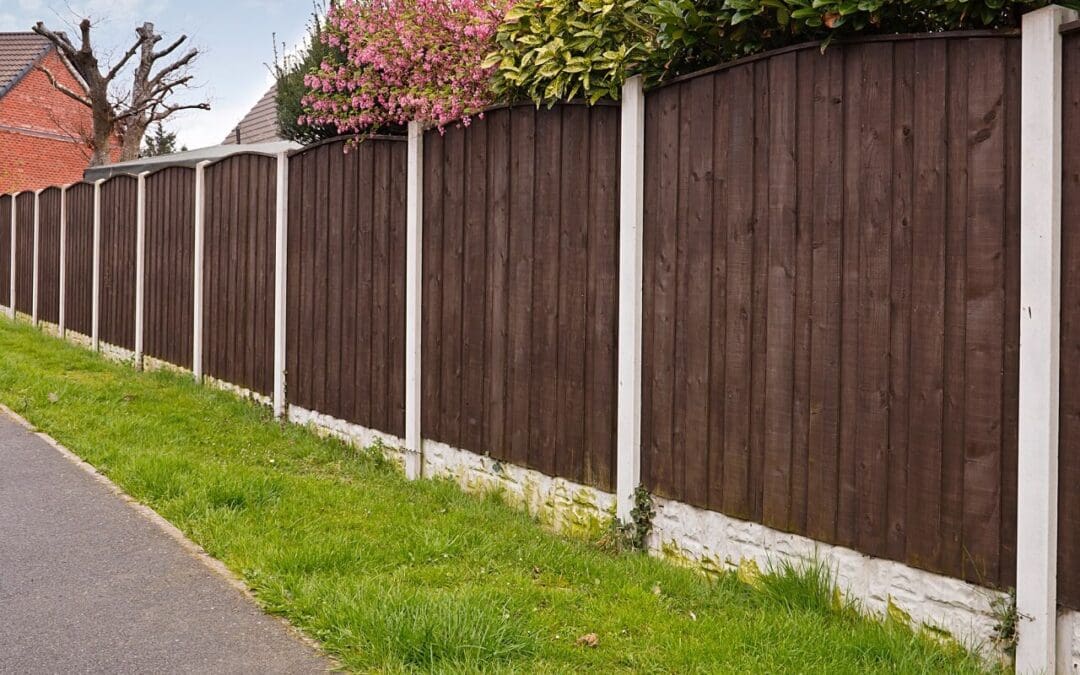
A new fence is one of the most impactful improvements a homeowner can make to a property. It’s also one of the improvements most commonly undertaken without adequate planning, which produces problems that range from a fence installed on the wrong side of the property line to one that requires a permit the homeowner didn’t know was needed. Planning a new fence properly, before any contractor is hired or any material is purchased, prevents the most common and most costly mistakes and produces a result that serves the property for decades rather than one that creates disputes and complications within the first year.
What to Do Before Installing a New Fence
The single most important step in planning a new fence is confirming the exact location of the property lines. A fence installed even inches beyond the property line is a fence installed on a neighbor’s land, a condition that could require the entire structure to be moved at the homeowner’s expense regardless of how long it has been in place. Property line disputes triggered by a fence installation are among the most common neighbor conflicts in residential real estate, and they are almost entirely preventable by confirming the survey before work begins. A property survey conducted by a licensed surveyor is the most reliable method, particularly in older neighborhoods where lot corners may have shifted, and assumptions about where the line falls don’t always match the recorded legal description.
Permits and HOA Requirements Most Homeowners Overlook
Most municipalities require a permit for a new fence installation, particularly for fences above a certain height, in front yards, or in neighborhoods with specific zoning restrictions. A new fence installed without a required permit may be subject to forced removal after installation, a significantly more expensive outcome than obtaining the permit before work begins. HOA rules are the requirement most commonly overlooked in managed communities because HOA approval is separate from municipal permitting and must be obtained independently. A fence that complies with city permit requirements but violates HOA covenants is still one the HOA can require to be modified or removed. Checking with both the municipality and the HOA before finalizing the design is the planning step that prevents this outcome.
Choosing the Right Material for Your New Fence
Material selection should be driven by the fence’s primary purpose and the maintenance commitment the homeowner is willing to make, not solely by appearance or upfront cost. Wood produces a natural, warm aesthetic and is highly customizable but requires periodic staining or painting and is susceptible to rot without consistent maintenance. Vinyl is low-maintenance and moisture-resistant with a higher upfront cost and fewer style options than wood. Aluminum is the material best suited for perimeter definition and decorative applications, durable and rust-resistant, but providing less privacy than wood or vinyl panel fencing. Chain link is most appropriate for functional applications where cost and durability are the primary considerations, pet containment, and property perimeter definition where privacy isn’t a concern. Composite fencing offers a middle ground between wood’s appearance and vinyl’s low maintenance at a cost typically higher than either.
Frequently Asked Questions (FAQs)
Do I always need a permit for a new fence?
Permit requirements vary by municipality. Contact the local building department before any installation begins. Most jurisdictions require a permit for fences above a certain height, commonly four feet in front yards and six feet in rear yards. Calling with the fence’s planned location, height, and material takes a few minutes and prevents the significantly more complicated situation without a required permit.
How close to the property line can a fence be installed?
Many municipalities require a setback from the property line, typically between zero and a few feet depending on the jurisdiction and the yard location. Some homeowners choose to install a new fence a few inches inside the confirmed property line as a buffer, which also makes maintenance of the exterior surface possible without crossing onto the neighbor’s property. Confirming the setback requirement with the local building department at the same time as the permit inquiry covers both questions in a single contact.
Should I talk to my neighbors before installing a new fence?
It’s not legally required in most jurisdictions, but communicating with adjacent neighbors before installation begins is a practical courtesy that prevents the most common conflict scenarios. Letting neighbors know the planned location, height, and material gives them the opportunity to raise concerns before the fence is installed rather than after.
What is the most durable material for a residential property?
Aluminum and vinyl are the new fence materials with the longest expected service life. A well-installed aluminum or vinyl fence could last thirty years or more with minimal maintenance. Wood has a shorter service life without consistent treatment but can last twenty to thirty years when properly maintained.
How do I find where my property lines are?
The most reliable method is a survey conducted by a licensed land surveyor who locates and marks the exact property corners based on the recorded legal description. Some homeowners locate existing survey stakes from the original purchase by probing the ground near lot corners; metal stakes can be located with a metal detector when not visible. Title documents often include a plat showing lot dimensions, but a recorded plat and the physical boundary don’t always align precisely enough for a new fence installation without professional confirmation.
Imperial Inspection Services offers comprehensive home inspections to homebuyers and sellers in Central Iowa. Contact us to schedule an appointment.