
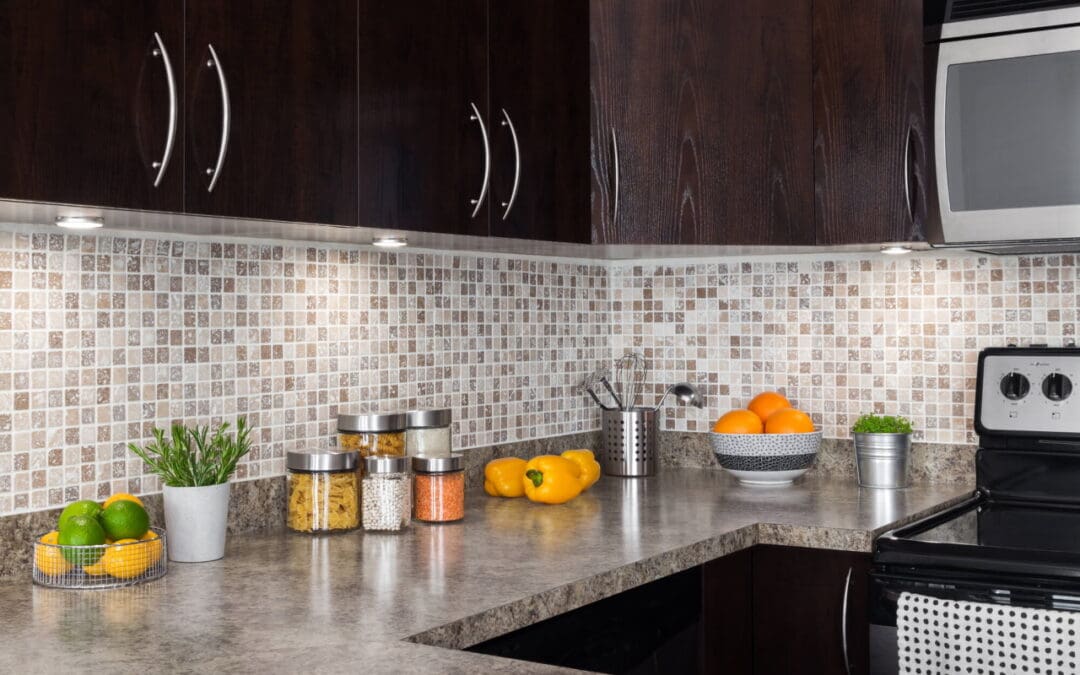
The kitchen is the hardest-working room in the home and one of the most commonly underlit. Poor kitchen lighting makes cooking less safe, food preparation more difficult, and the entire room feel darker and less welcoming than it should. Done well, kitchen lighting transforms both the function and the feel of the space with a surprisingly modest investment.
Why Kitchen Lighting Requires a Layered Approach
Kitchens are unusual among home spaces because they need to perform at multiple levels simultaneously. They’re workspaces and social spaces where families gather, and guests congregate. No single light source handles all of these needs equally well. Effective kitchen lighting uses three distinct layers: ambient light that fills the room generally, task light that focuses on where work happens, and accent light that adds depth and warmth. Most kitchens rely almost exclusively on a single overhead fixture or recessed lights for everything. Understanding this layered approach is what separates a kitchen that functions well from one that’s simply bright.
Task Lighting: The Most Functional Lighting Upgrade
If you could make only one kitchen lighting improvement, adding dedicated task lighting at the countertop level would be the most impactful choice. Task lighting directs light onto the work surface where food preparation happens. Without it, overhead lighting casts shadow directly onto the counter where they need to see most. Under-cabinet LED strips or puck lights are the most common solution. Hardwired systems produce the cleanest result, but plug-in LED tape lights that adhere to the underside of upper cabinets are a genuine DIY option requiring no electrical work. Choose warm white LEDs in the 2700K to 3000K range to illuminate food colors accurately and create a warmer atmosphere. The sink is the other primary task area that deserves dedicated kitchen lighting. A recessed fixture or small pendant positioned directly above the sink provides focused illumination for washing and prep.
Kitchen Lighting That Changes the Room’s Feel
Ambient lighting in a kitchen is where most homeowners focus their effort and where the impact is often least targeted. A single overhead fixture in a kitchen of any size produces central brightness and perimeter shadows. Recessed lighting distributed across the ceiling produces much more even coverage, though placement matters: lights positioned over countertops illuminate work surfaces rather than just open floor space. Pendant lights over an island serve double duty in kitchen lighting; they provide focused task light over the most active work surface while functioning as a visual focal point. Accent lighting adds the visual depth and warmth that makes a kitchen feel finished rather than simply functional. These aren’t essential, but they contribute meaningfully to the overall quality of the space.
Choosing the Right Bulbs and Controls
Bulb selection and controls are the finishing details that determine how well all kitchen lighting layers work together. Consistent color temperature across all kitchen lighting fixtures creates visual coherence that mismatched bulbs disrupt. A kitchen where recessed lights are cool white, and pendants are warm white creates an unsettled feeling most people notice, even if they can’t identify the source. Dimmer switches on overhead fixtures are one of the highest-value kitchen lighting controls available. They allow the same ambient lighting to serve completely different moods, bright and functional while cooking, warm and atmospheric during dinner. Under-cabinet lighting on a separate switch from the overhead circuits gives independent control over task and ambient layers.
Frequently Asked Questions (FAQs)
How many recessed lights do I need in my kitchen?
A general guideline is one four-inch fixture for every 4 to 6 square feet, or one six-inch fixture for every 6 to 8 square feet. More important than fixture count is placement; lights should be positioned over countertops and work areas rather than open floor space. A lighting designer or electrician can produce a layout that maximizes coverage and minimizes shadows for your kitchen’s specific dimensions.
Can I improve kitchen lighting without any electrical work?
Significantly, yes. Plug-in under-cabinet LED tape lights are the most impactful no-electrical-work improvement; they adhere to the underside of upper cabinets, plug into an existing outlet, and immediately transform task lighting. Swapping bulbs to warm-white LEDs with consistent color temperature across existing fixtures is another no-electrical-work improvement.
What color temperature is best for kitchen lighting?
The 2700K to 3000K range is best for most residential kitchens. This warm-to-neutral white range renders food colors accurately and creates a welcoming atmosphere. Cooler temperatures above 4000K produce clinical, blue-toned light that makes kitchens feel institutional and renders warm-toned materials like wood less attractive.
How high should pendant lights hang over a kitchen island?
Pendant lights over a kitchen island should hang 30 to 36 inches above the countertop, low enough for effective task illumination, high enough to maintain sightlines and avoid head clearance issues. In kitchens with standard 9-foot ceilings, this typically means the pendant’s bottom sits around 5 to 5.5 feet above the floor. Adjust within this range based on pendant size; larger, more enclosed pendants work better at the higher end.
Is it worth hiring an electrician for kitchen lighting improvements or can I DIY?
Adding task lighting with plug-in systems, swapping fixtures on existing circuits, and installing smart bulbs are all DIY-manageable. Adding new circuits, installing recessed lighting where none exists, or running wire through walls warrants a licensed electrician.
Imperial Inspection Services offers comprehensive home inspections and sewer line inspections to homebuyers and sellers in Central Iowa. Contact us to schedule an appointment.